MP49-01: Developing a ‘Local’ Global Health Curriculum for Medical Trainees: Groundwork, Logistics, and Patient/Provider Evaluation Data from a 3-Year Implementation
Assistant Professor (Education Specialist) The Ohio State University Wexner Medical Center
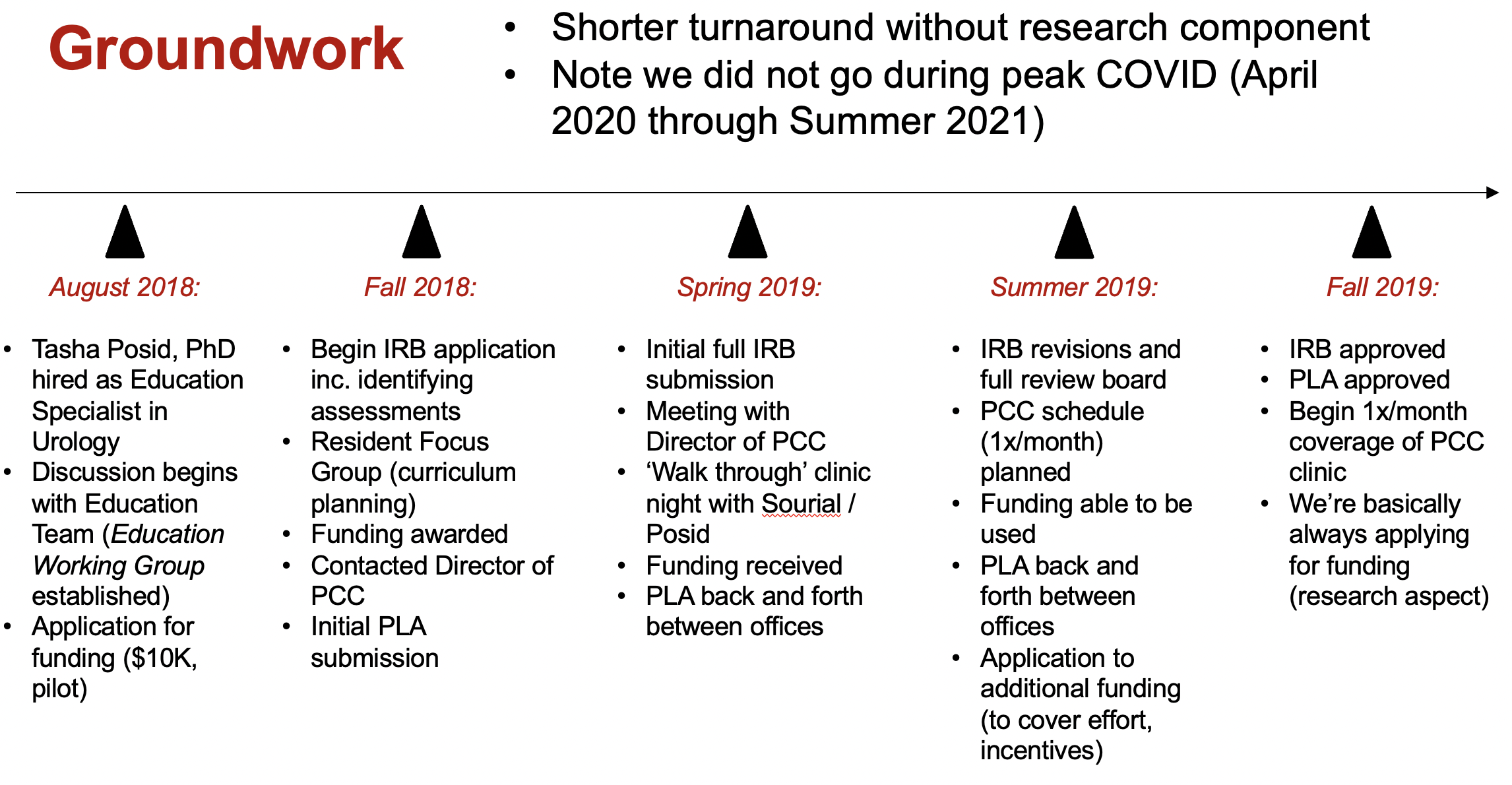
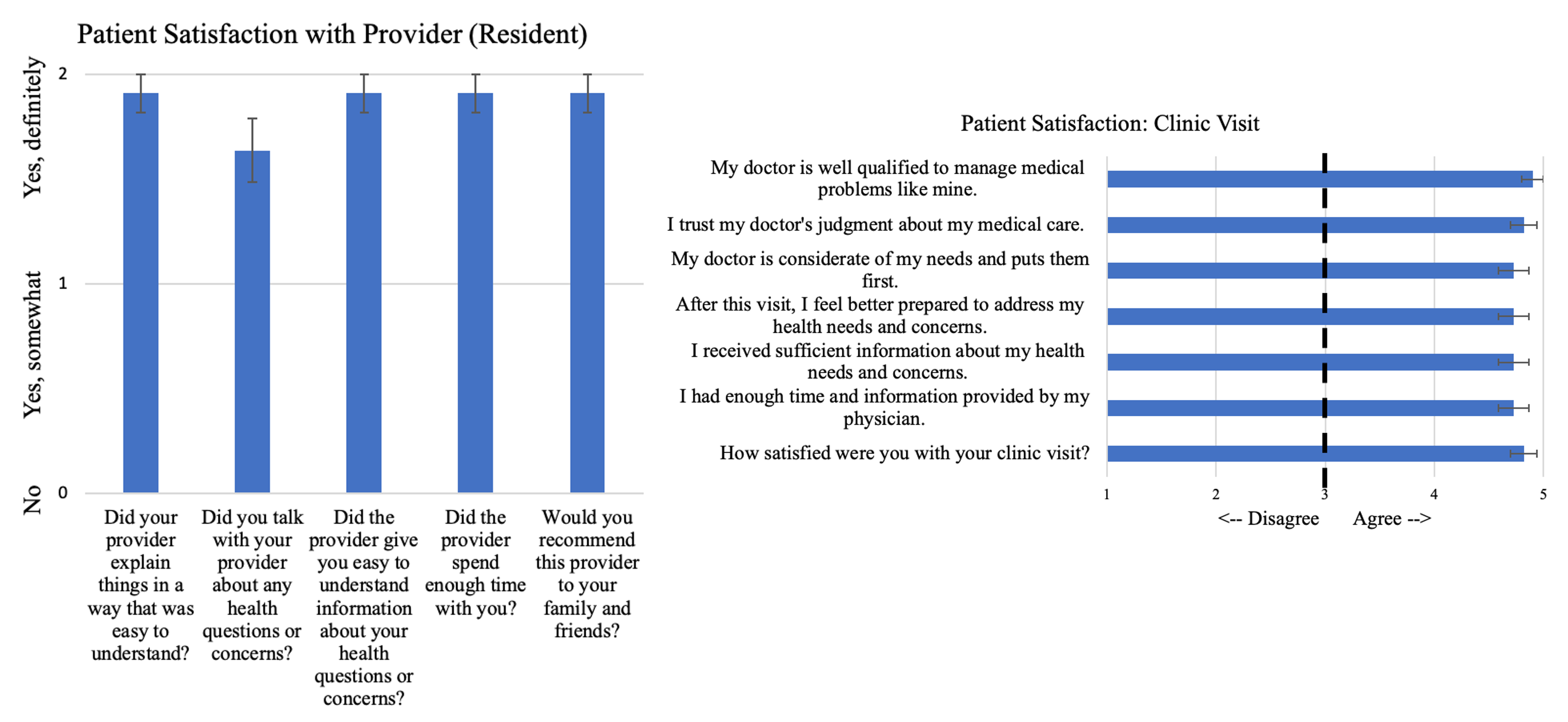
Introduction: Many medical trainees have expressed a growing interest in global health training as our patient population diversifies. Little clinical time is allotted during training to address this, yet cross-cultural training has been shown to improve the quality of medical care and eliminate racial, ethnic, and cultural issues. Our objective was to evaluate a ‘local’ global health curriculum for urology trainees. Methods: Groundwork/administrative considerations appear in Figure 1. The curriculum itself consists of a faculty attending and 1-2 medical trainees staffing a pro-bono community free clinic 1x/month (community immersion). Survey evaluations using standardized assessments were given to trainees (n=24) pre- and post-experience. Patients (n=46) also filled out an evaluation following their single visit with a urology trainee. Patients were 76.1% male, 47.8% unemployed, 43.5% Caucasian, 43.2% Hispanic/Latino, 30.4% non-English speakers (first language). Results: Trainees reported significant gains in skillfulness (p < 0.001) and knowledge (p < 0.001) in delivering cross-cultural care following participation in the community clinic, with improvements evident after a single clinic, but increasing as residents staffed more clinics (n=4 residents, p<0.05). Critically, residents did not reach ‘ceiling-level’ in their cross-cultural confidence, indicating room for continued growth and improvement over additional immersive experiences. Patient evaluations were strong (Figure 2). Conclusions: Cross-cultural training via a community clinic immersion intervention increased trainees’ perceived skillfulness, preparedness, and knowledge in delivering diverse patient care to underserved populations. This model requires legwork to get started (education, research), but day-to-day implementation is quite feasible and cost-efficient. SOURCE OF Funding: OSU Undergraduate Research Apprenticeship Program, OSUCOM Educational Research Stimulus Grant, AERA Research Service Projects Program, Arnold P. Gold Foundation