
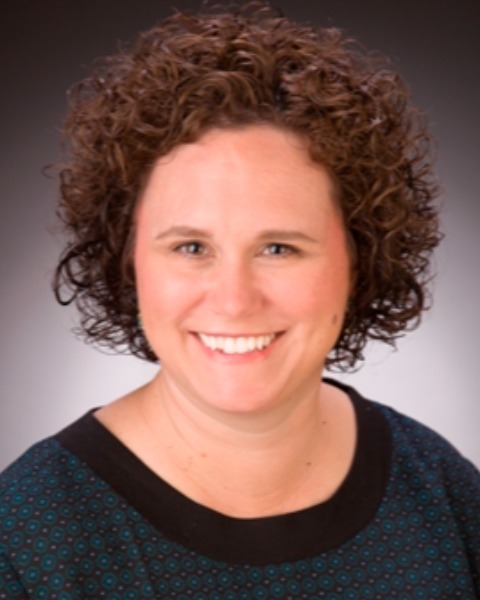
Jennifer Reagan, MBA
CME Coordinator
Northeast Georgia Health System
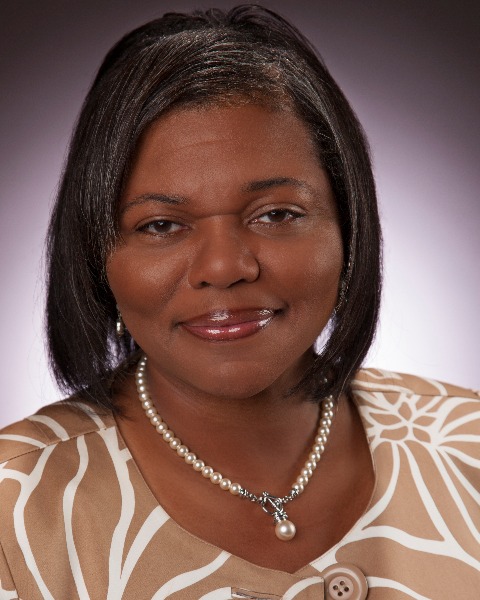
Shannon S. Glover, MLIS, AHIP
Coordinator, Health Sciences Library
Northeast Georgia Medical Center
As COVID-19 and social justice issues weighed heavily on many people in our community, Northeast Georgia Health System (NGHS) teams wanted to show the differences in how we see and treat one another to remove implicit biases. Our health system recognized the need for providing an environment that fosters an inclusive and equitable culture for all people, therefore working groups were created. As one of the working groups, Continuing Medical Education (CME) and Library teams partnered together on a project to illustrate creating and implementing diversity, equity and inclusion (DEI) activities within our academic health system. We expected to raise awareness of health and social topics by having meaningful conversations.
Educational Strategy:
Our teams implemented multi- faceted educational activities to improve overall skill sets and knowledge of staff. The planning team selected topics, speakers, and book titles chosen from the Network of the National Library of Medicine (NNLM) book club list to determine appropriate books to read. Activities were designed for participants to learn strategies they could implement to improve healthcare in the community, engage in open conversations, and share thoughts and feelings surrounding social issues. The book clubs were constructed to bring awareness of health disparities and the need for preventive care. We wanted to highlight the lack of minorities in medicine, so we offered a documentary screening and panel discussions on these topics. We were able to offer CME and nursing credits for clinical staff. In the planning process, length of time and frequency of sessions were predetermined. Survey monkey and zoom were used to stream live, register participants and collect evaluation feedback.
Patient-Level Outcome(s) Measured:
As we reflect over the past year, all the activities we created helped the CME/Library teams to solidify a strong partnership. We hosted seven DEI continuing medical education speakers, four virtual book clubs, thirteen COVID-19 perspectives, a documentary film screening, and two physician panel discussions. Our teams felt we increased awareness by helping people to start thinking and talking about DEI. Due to virtual options, we were able to reach over 1,000 participants outside of our region. Through evaluation feedback participants reported DEI is an important subject to provide excellent patient care. In planning future activities, we will continue to have crucial conversations about DEI and health disparities. We will provide a safe space for open and engaging conversations through book clubs and other activities. By continuing these initiatives, we will strengthen our health system’s core values of respectful compassion, deep interdependence, passion for excellence, and responsible stewardship.