
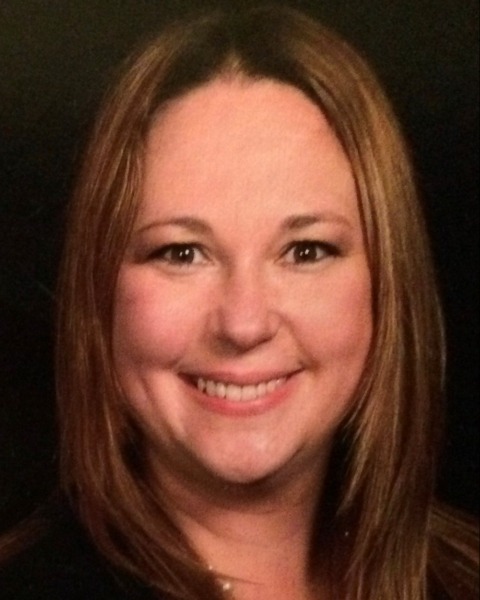
Angela R. Raval, PharmD
Director, Scientific Projects, Educational Programs
ASHP

Cynthia Von Heeringen, RPh
Scientific Project Director
ASHP
Gaps in knowledge of planning virtual conferences had to be identified and addressed quickly while also taking into consideration meeting the educational expectations of members and attendees. Pivoting from a completely live educational meeting experience to a completely virtual experience required innovation and the quick adaptation of newer technologies to deliver content. Once a virtual platform was selected to host the meeting, the flip of having the educational programs presented began. Content development and delivery had to consider the nuances of a virtual learning platform. Some programs were recorded and planned to be broadcast on a schedule while others were designed as a recorded presentation with a live Q&A session immediately following. This enabled the feel of a live meeting since attendees were able to submit questions for faculty or presenter responses in much the same way they would at a live event. Select educational sessions were presented with a live platform from presentation to Q&A. The disadvantage of having virtual and online only educational sessions is that the in-person interactions that take place in a live conference session would not be possible. To overcome this barrier, small breakout groups and workshops were coordinated for some sessions at the meetings. This allowed the “feel” of the small group sharing and encouraged active participation. These smaller breakout sessions kept the attendees engaged and gave them the ability to collaborate in problem solving patient case scenarios or work-related processes.
Patient-Level Outcome(s) Measured:
Gaps in knowledge of planning virtual conferences had to be identified and addressed quickly while also taking into consideration meeting the educational expectations of members and attendees. Pivoting from a completely live educational meeting experience to a completely virtual experience required innovation and the quick adaptation of newer technologies to deliver content. Once a virtual platform was selected to host the meeting, the flip of having the educational programs presented began. Content development and delivery had to consider the nuances of a virtual learning platform. Some programs were recorded and planned to be broadcast on a schedule while others were designed as a recorded presentation with a live Q&A session immediately following. This enabled the feel of a live meeting since attendees were able to submit questions for faculty or presenter responses in much the same way they would at a live event. Select educational sessions were presented with a live platform from presentation to Q&A. The disadvantage of having virtual and online only educational sessions is that the in-person interactions that take place in a live conference session would not be possible. To overcome this barrier, small breakout groups and workshops were coordinated for some sessions at the meetings. This allowed the “feel” of the small group sharing and encouraged active participation. These smaller breakout sessions kept the attendees engaged and gave them the ability to collaborate in problem solving patient case scenarios or work-related processes.