

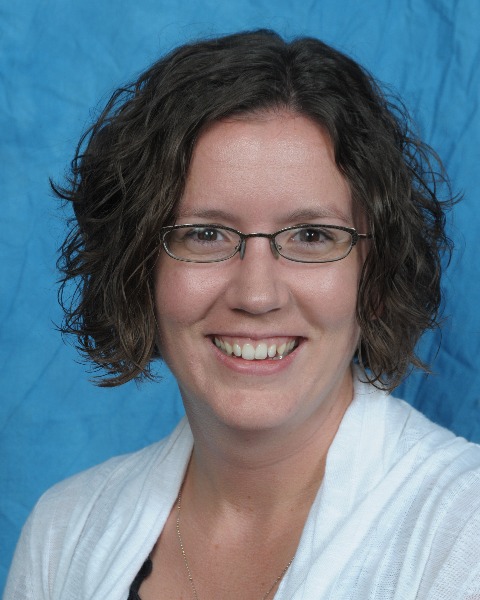
Sarah Nisly, PharmD, MEd, BCPS, FCCP
Vice President, Outcomes and Clinical Impact
Clinical Education Alliance
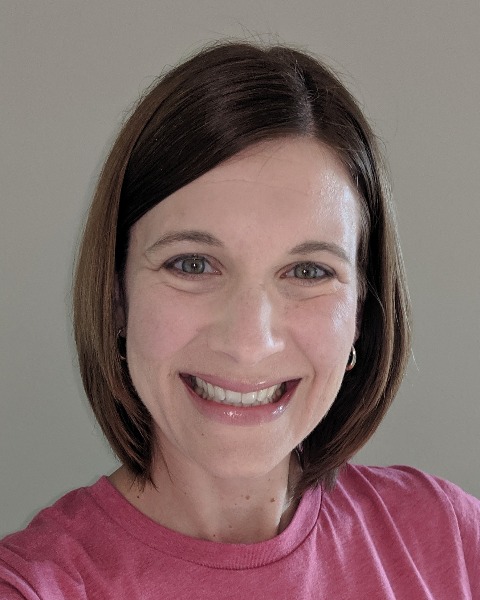
Lisa M. Handley, PharmD
Director, Scientific Strategy, Immunology
Clinical Education Alliance
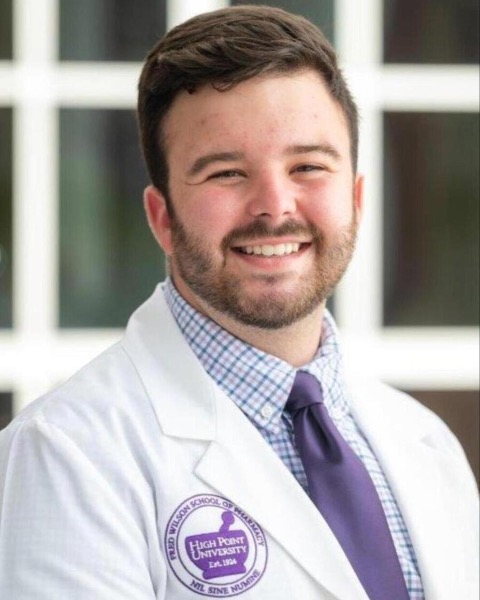
Richard A. Menear, BS
Doctor of Pharmacy Candidate
Fred Wilson School of Pharmacy at High Point University
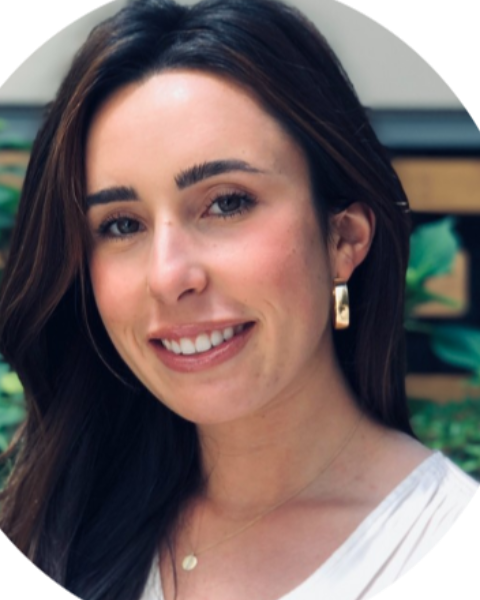
Katelyn Hernandez
PharmD Candidate
UNC Eshelman School of Pharmacy
Health disparities impact all of us and solutions are not individualized, they are systematic. Living in a diverse and constantly changing world, our patient’s background, cultures, and belief systems are also constantly evolving and adapting. Therefore, continuing professional development (CPD) providers are uniquely positioned to identify and address disparities in healthcare.1,2 This can be done as a single program development or as part of a series.
Throughout the past, few medical training programs have taught focused content in the classroom setting to minimize disparities among underrepresented populations. This is seen in a 2011 survey finding that 33% of medical schools reported zero hours of LGBTQ+ education within their curriculum.3 In another survey, only 16.4% of radiologists believed they received proper education and training in health disparities.4 The void in meaningful education within healthcare training for the prevention of future health disparities is vast. From the lack of education within healthcare provider schools, patients in minorities are highly impacted.3 This alarming data illustrates the need for healthcare professionals to engage in timely education for disparities mitigation in their practice.
While standalone programming certainly be impactful, partnerships between CPD providers and healthcare systems can also yield meaningful education in healthcare disparities. Siamet is a partnership between the Maniilaq Association in northwest Alaska and the Massachusetts General Hospital and Harvard Medical school. This organization has brought attention to tribal health disparities by providing healthcare team members with effective CPD to improve care.5 These educational programs gave healthcare professionals the opportunity to be exposed to members of the tribal community and teach other healthcare professionals how to decrease the health disparities that have affected this community in the past.3
Individual institutions have also targeted training programs. The Tea House Series was designed and implemented to build anti-racist and anti-oppressive faculty and staff at the University of California San Francisco. The program highlighted increasing awareness, engaging in dialogue and self-reflection, and understanding data. The Tea House series found that participants developed an increase in confidence in the learning objectives proposed during each session, indicating the growth of the participants following the series.2
At CEA, the ability to educate learners of different methods to overcome healthcare disparities has been established. Specific focus in key therapeutic areas has yielded valuable strategies for use in clinical practice to combat health disparities. Importantly, CEA highlights how social determinants of health impact quality of care, which can help learners recognize these barriers and ultimately bridge the gap between minorities and adequate healthcare. Finally, all Alliance members can help improve diverse representation within programming, partnerships, and key opinion leaders.
This session will focus on the following objectives, using a learning lab structure: 1) Identify factors contributing to the need for effective continuing professional development (CPD) on healthcare disparities. 2) Detail the current impact of well-designed CPD programs on learner knowledge, competence, and performance related to health disparities. 3) Discuss key elements of effective CPD programs for addressing healthcare disparities
The learning lab will feature a 20-minute presentation focused on 1) factors contributing to the need for CPD to address health disparities, 2) the potential impact of CPD programs on learner knowledge and competence related to health disparities and 3) best practices for the design and delivery of future CPD programs on healthcare disparities
The remaining 40 minutes will be a moderated conversation among members of the audience and a guest panel. The guest panel will consist of an HCP trainee, a patient impacted by healthcare disparities, and a healthcare provider. These panelists will bring in identifying and implementing strategies to address healthcare disparities individually and systematically. Moderator- and audience-generated questions will guide the panel discussion.
References
1. Like RC. Educating clinicians about cultural competence and disparities in health and health care. J Contin Educ Health Prof. 2011 Summer;31(3):196-206. doi: 10.1002/chp.20127
2. Shahram Y, Lowry D, Iverson N, Teherani A. The Tea House Series: Striving Together to be Antiracist. J Gen Intern Med. 2022 Jun 16:1–5. doi: 10.1007/s11606-022-07519-z.
3. Kathleen A. Bonvicini, LGBT healthcare disparities: What progress have we made?, Patient Education and Counseling, Volume 100, Issue 12, 2017, Pages 2357-2361, https://doi.org/10.1016/j.pec.2017.06.003.
4. Patel M., Parikh J. Education in Radiology in Healthcare Disparities. Clinical Imaging, v. 81, page 98-102. doi: https://doi.org/10.1016/j.clinimag.2021.09.019
5. Trout, Lucas J. MA1; Weisman, Ashley MD2; Miller, James S. MD, MPH3; Kramer, Corina4; Keshavjee, Salmaan MD, PhD5; Kleinman, Arthur M. MD6; Kulkarni, Suchitra7; Baldwin, Teressa MSW8; Tobey, Matthew L. MD, MPH9; Buffey, Timothy DO10; Harris, N. Stuart MD, MFA11 Siamit: A Novel Academic–Tribal Health Partnership in Northwest Alaska, Academic Medicine: November 2021 - Volume 96 - Issue 11 - p 1560-1563 doi: 10.1097/ACM.0000000000004239
Innovation:
The design of our presentation and panel discussion is set to bring health disparities into the spotlight and have an open conversation among healthcare providers, medical educators, students, and patients about barriers, solutions, and the future of health disparities. We hope to spark awareness and change for the future.