

Sujita Adhikari, MPH, CPH
Educational Program Manager
University of North Texas Health Science Center at Fort Worth
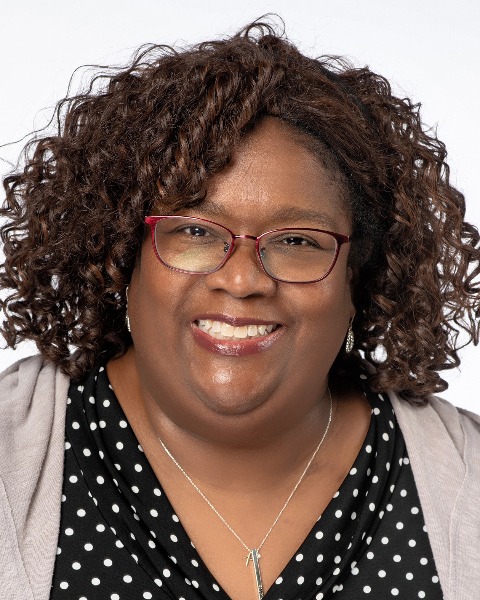
Ericka k. Harden-Dews, J.D., CHCP
Director, Continuing Education and Assessment
University of North Texas Health Science Center (UNTHSC)
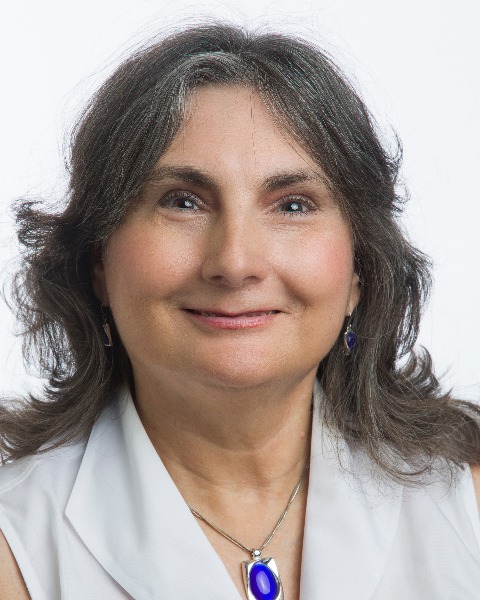
Brenda Wilson, MS, CHCP (she/her/hers)
Sr. Instructional Designer
University of North Texas Health Science Center at Fort Worth
The University of North Texas Health Science Center at Fort Worth is leading the important conversations on Diversity, Equity, Inclusion, and Anti-Racism (DEIA). It is central to our institutional mission and integrated into the manner in which we educate our students and faculty, and how we engage with the communities we serve. The first part of our learning lab will be mostly didactic. We will elaborate on how we have infused the DEIA concepts in our planning, delivery of content, and evaluation processes. We will use one of our enduring continuing education (CE) activities on Social Determinants of Health and Pain Management as an example to demonstrate the incorporation of DEIA concepts.
The second part of this learning lab will be mostly interactive, where we will involve the participants in a group activity. We will divide in-person as well as virtual participants into smaller groups. Each group will receive a case study to analyze through the DEIA lens. We will then ask for the volunteers to present the findings from their analysis to the larger group. This activity will provide an opportunity for the participants to apply the knowledge gained from the didactic part to analyze the case studies. We plan on using at least 2 case studies for this activity. One of the case studies will focus more on infrastructural changes (e.g. mission statement changes, planning committee makeup), and another case study will focus more on programmatic or activity level changes (e.g. process improvements) that could be made to integrate DEIA concepts into CE program operations and activities. Additionally, we will also ask the participants to reflect on their own practice and if someone is willing to volunteer we will ask them to share their thoughts with the group. We plan on using at least 1-2 questions for reflective learning.
We will also discuss and share the tools and resources we have used in our department to integrate and promote DEIA throughout the presentation, if not, at the end of the presentation.
We believe the use of evidence-based education strategies like small group learning, case-based learning, and reflective learning will foster the critical thinking, and self-awareness of the participants, and they can walk away with at least some ideas or skills to apply DEIA to their own CE operations and activities (1,2,3).
Upon the completion of this session, participants will be able to:
1. Identify ways to incorporate DEIA concepts into the planning, delivery of content, and evaluation processes of CE activities
2. Apply DEIA concepts to overall CE program operations and activities through case study analysis
3. Use recommended tools and resources to integrate DEIA into CE program operations and activities
References:
1. Manley K, Martin A, Jackson C, Wright T. A realist synthesis of effective continuing professional development (CPD): A case study of healthcare practitioners' CPD. Nurse Educ Today. 2018; 69:134-41.
2. Asselin ME, Fain JA. Effect of reflective practice education on self-reflection, insight, and reflective thinking among experienced nurses: a pilot study. J Nurses Prof Dev. 2013;29(3):111-9.
3. Burgess A, van Diggele C, Roberts C, Mellis C. Facilitating small group learning in the health professions. BMC Medical Education. 2020;20(2):457.
<
<
< !
Innovation:
By using effective instructional strategies (e.g. case-based learning, reflective learning, small group discussions), our aim is to equip the CE professionals with the knowledge and immediate skills they can walk away with and make changes to their current practice. We hope this session will spark more critical thinking, conversations, and collaboration as we move towards achieving health equity outcomes.