

Amy H. Seung, PharmD, BCOP, FHOPA
Vice President, Scientific Affairs
Pharmacy Times Continuing Education

Mackenzie Perry, PharmD
Manager of Education, Oncology
Pharmacy Times Continuing Education
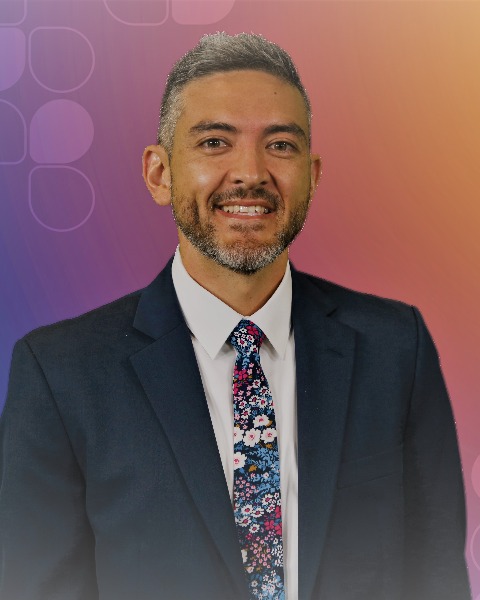
Oliver D. Mills, PharmD, RPh
Senior Manager of Education
Pharmacy Times Continuing Education
Oliver D. Mills, PharmD, RPh
Senior Manager of Education
Pharmacy Times Continuing Education
Many barriers to optimal cancer care are experienced throughout the health care system in the United States and the SARS-CoV-2 pandemic has highlighted the disproportionate inequities within this landscape. Often, such disparities in cancer incidence, diagnosis, and outcomes can be prevented, but are the results of social and economic inequities. Through careful examination of patients’ cultural beliefs, socioeconomic status, type of and access to insurance, and genetic or biologic differences in disease presentation and progression, health care professionals across the cancer care continuum have opportunities to impact social determinants of health. Pharmacists practicing on the oncology care team each serve distinct, key roles in addressing cancer care disparities and closing gaps in patient outcomes. PTCE has developed and executed multiple programs focused on potential biases in cancer care equity, the impact on overall quality of care, barriers observed in practice, and potential solutions. The programs have brought awareness to the specific roles of each member of the health care team in addressing these disparities and exploring solutions to address cancer care disparities within the multidisciplinary health care team. Based on identified knowledge gaps, multiple educational initiatives were developed to increase confidence and knowledge of pharmacists in addressing health care disparities in patients with cancer.
Educational Strategy:
PTCE developed 3 independent programs that launched between December 2020 and June 2022 for pharmacist learners. In 2020, a 1.5-credit hour live, interactive, virtual panel discussion focused on multidisciplinary team care with pharmacists as the primary audience. In 2021, a 1.0-credit hour live, interactive, virtual broadcast as part of an oncology-practitioner meeting series geotargeted to 4 distinct areas across the United States. In spring of 2022, a 1.0-credit hour live virtual symposium to a focused oncology and managed care pharmacist learner group was presented. The educational objectives across all programs were as follows: (1) Differentiate various types of disparities and their impact on cancer care, (2) Compare the experience of nurses, pharmacists, and physicians in cancer care disparities, (3) Provide solutions to cancer care disparities based on specific drivers of inequity.
Pharmacist baseline knowledge and confidence were assessed through a pretest survey. After completing the activity, pharmacists completed a posttest and confidence questions, and selected planned practice changes. Additionally, specific practice-related challenges related to health care disparities were asked in a series of questions. Our team hypothesized that learners’ needs had evolved over time from a primary need to identification of health care inequities to a current need to specific solutions to address types of disparities in specific patient populations.
Patient-Level Outcome(s) Measured:
A total of 4622 pharmacists participated in the programs, and 2070 pharmacists completed activities for ACPE credit. 52% to 87% of learners described having roles working with cancer medications or patients with cancer. Learners reported that 66% to 73% of at least half of the content was new information, and 10% to 16% stated they had no previous exposure to content.
Correlating pre- and post-assessment questions matched to learning objectives focused on identification of specific health care disparities and barriers to addressing inequities showed a knowledge increase in all 3 activities. Case-based questions on specific solutions to address inequities showed a change, albeit a smaller change than other objectives.
Pre-activity, 35% of learners identified themselves as moderately, very, or extremely confident in identifying types of disparities and their impact on cancer care compared with 82% afterwards (P < 0.001).
Learners reported the 3 most frequent types of disparities that have been the most challenging to address were socioeconomic, educational/intellectual, and race. 38% of learners reported that the single biggest challenge to addressing disparities was not enough knowledge of solutions.
Pharmacists had a low baseline knowledge and confidence of cancer care disparities and potential solutions that increased after completing programs. Outcomes from each program were used to address gaps in subsequent programs. Remaining educational gaps and potential future objectives gleaned from the outcomes of these programs include continued reinforcement of identification to disparities and focused programs on types of solutions and strategies based on different types of disparities and patient needs.