
.png)

Category: Computers
Poster Session III
Prior predictive models using logistic regression for stillbirth do not leverage the advanced and nuanced techniques involved in sophisticated machine learning methods, such as modeling non-linear relationships between outcomes. The objective of this study is to create and refine two machine learning models for predicting stillbirth prior to viability (< 24 wk) and throughout pregnancy using demographic, medical, and prenatal visit data, including ultrasound, serum screening, and fetal genetics.
Study Design:
This is a secondary analysis of the Stillbirth Collaborative Research Network, which included data from pregnancies resulting in stillborn and liveborn infants delivered at 59 hospitals in 5 diverse regions across the US from 2006-2009. Models were created using four machine learning methods, first with variables clinically available prior to fetal viability, then with those collected throughout pregnancy.
Results:
Among 2352 live births and 529 stillbirths, 101 variables of interest were identified. Of the pre-viability models, the Boosted Trees model had 84.1% accuracy and high sensitivity (97.0%), Positive Predictive Value (84.9%), and Negative Predictive Value (77.8%), but lower specificity (38.1%). A Random Forests model using data collected throughout pregnancy improved accuracy slightly (85.8%). Important variables in the pre-viability model included previous stillbirth, minority race, ratio of earliest prenatal visit to gestational age (GA) at birth, ratio of earliest ultrasound to GA at birth, and 2nd trimester maternal serum alpha-fetoprotein.
Conclusion: Applying advanced machine learning techniques to a comprehensive database of stillbirths and live births with unique and clinically relevant variables resulted in an algorithm that could accurately identify more than 84% of previable pregnancies that would result in stillbirth. Once validated prospectively, machine learning models appear promising for providing clinical-decision making support to providers to better identify and monitor those at risk for stillbirth early in pregnancy.
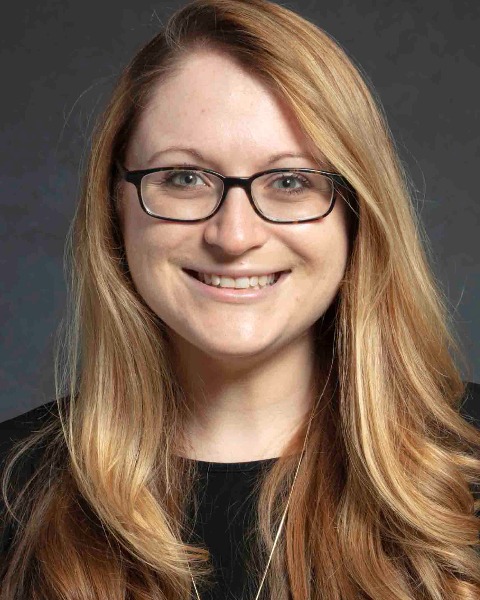
Tess E.K Cersonsky, BS (she/her/hers)
Medical Student
Alpert Medical School of Brown University
Providence, Rhode Island, United States
Tess E.K Cersonsky, BS (she/her/hers)
Medical Student
Alpert Medical School of Brown University
Providence, Rhode Island, United States

Nina K. Ayala, MD
Attending Physician
Women & Infants Hospital of Rhode Island, Warren Alpert Medical School of Brown University
Providence, Rhode Island, United States
Halit Pinar, MD
Alpert Medical School of Brown University and Women & Infants Hospital of Rhode Island
Providence, Rhode Island, United States
Donald J. Dudley, MD
University of Virginia
Charlottesville, Virginia, United States

George R. Saade, MD
Professor & Chief of Obstetrics & Maternal-Fetal Medicine
University of Texas Medical Branch
Galveston, Texas, United States
Robert M. Silver, MD
University of Utah Health
Salt Lake City, Utah, United States

Adam K. Lewkowitz, MD, MPHS
Assistant Professor
Alpert Medical School of Brown University and Women & Infants Hospital of Rhode Island
Providence, Rhode Island, United States