
.png)
Category: Basic Science
Poster Session IV
While mRNA COVID-19 vaccination in pregnancy has been authoritatively recommended by governing health agencies, potential safety concerns about their direct effect on immunological function of the placenta and uptake by placental tissue remain largely unknown. We investigated if vaccine crosses the human placenta and the inflammatory responses to vaccine using primary human chorionic explants from second trimester and term pregnancy.
Study Design:
To explore the different transport capabilities between placental explants and cell cultures. We treated second and third trimester human placental explants and four adherent cell lines (Bewo, Jeg3, 392T and A549) with BNT162b2 (Pfizer-BioNTech) or mRNA-1273 (Moderna) vaccines at two different concentrations (0.1 and 1 mg/mL) for 0.5h and 4h, separately. We used RT-PCR to analyze RNA expression and explore the different transport capabilities between placental explants and cell cultures. RNAscope, an RNA in situ hybridization (ISH) technique, was used to detect whether mRNA particles from vaccines penetrate into placental explants. Twenty-four human cytokines were evaluated in the supernatant of explant cultures to determine if mRNA vaccines alter the immunological response, as a potential risk for adverse pregnancy outcomes.
Results:
The results showed negligible uptake of vaccine mRNA in explants (villi) when utilizing RT-PCR, while the two vaccines were delivered into cell lines in vitro effectively. Higher levels of mRNA-1273 were detected in all four cell lines than those exposed to BNT162B2 when the cells were treated under the same concentration and duration. No uptake of mRNA vaccines in placental explants were appreciated. No specific immune response was elicited by mRNA vaccines.
Conclusion:
As a newer technology, understanding the pregnancy-specific safety profile of mRNA vaccines is of utmost importance. This study indicates that mRNA vaccine is safe during pregnancy from the in situ placental perspective. This should serve to establish confidence in conducting clinical trials that include the pregnant population in the future.
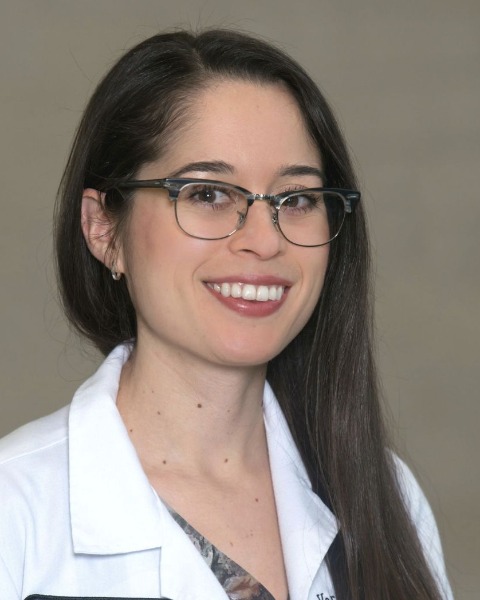
Veronica Gonzalez, MD
University of California, San Francisco
Oakland, California, United States
Lin LI, PhD
University of California, San Francisco
San Francisco, California, United States
Sirirak Buarpung, PhD
University of California, San Francisco
San Francisco, California, United States
Mary Prahl, MD
University of California, San Francisco
San Francisco, California, United States
Joshua F. Robinson, PhD
University of California, San Francisco
San Francisco, California, United States
.jpg "Stephanie L. Gaw, MD, PhD photo")
Stephanie L. Gaw, MD, PhD
Assistant Professor
University of California, San Francisco School of Medicine
San Francisco, California, United States