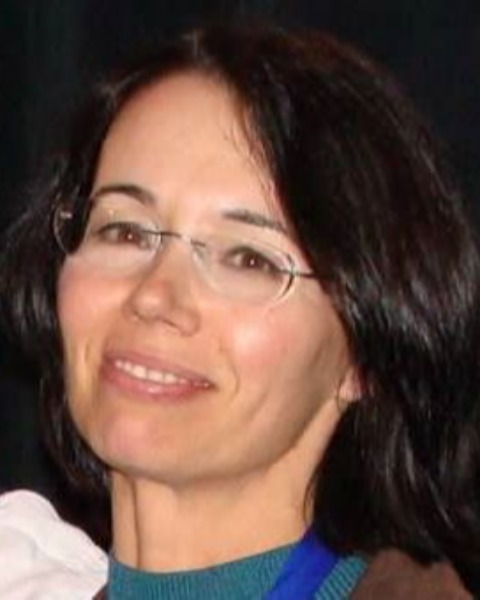
Conference Opening - How the TOP DD Studies Are Shifting Denial and Challenging Myths About Dissociative Disorders
Saturday, April 15, 2023
8:00 AM – 10:00 AM US Eastern Time
Location: Commonwealth 4/5
Learning Level: Intermediate
This session is available for 1.5 APA and ASWB credits.
Abstract Myths and debate abound about the existence, etiology, assessment, and treatment of complex dissociative disorders. A vast literature supports that trauma, rather than fantasy or cultural factors, contribute to the development of complex dissociative disorders. Unfortunately, few mental health clinicians have received systematic training about the assessment and treatment of dissociative disorders. It is critical that clinicians are aware of the myths and facts about dissociative disorders so their work is guided by clinical expertise and research rather than myths. It is also important that clinicians can knowledgeably discuss the research that refutes these pernicious myths. Two of the most common myths are that dissociative disorders are over-diagnosed and that treatment of dissociative identity disorder (DID) is harmful. Two new myths have begun to spread; specifically, some researchers are arguing that DID can be cured in ultra-rapid, intensive exposure treatment and that the stabilization phase of treatment is unnecessary and even potentially detrimental to individuals with DID. Dr. Brand will discuss these myths and present research that illustrates the damaging impact on patients of clinicians’ denial and lack of knowledge about dissociation. She will then present data from the Treatment of Patients with Dissociative Disorders (TOP DD) studies; this series of studies show a wide range of improvements for patients receiving stabilizing, phasic treatment. The TOP DD studies illustrate that dissociation- and trauma-focused treatment consistent with expert consensus guidelines is beneficial rather than harmful. Finally, Dr. Brand will discuss the TOP DD randomized controlled trial underway that is assessing the impact of participating in the dissociation-focused program called Finding Solid Ground.
Learning Objectives:
At the conclusion of this session participants will be able to:
Describe two myths about dissociative disorders
Refute the myth that treating dissociative disorders causes harm by summarizing the key findings from the TOP DD studies
Discuss two ways that clinicians’ lack of knowledge and denial about dissociation can potentially cause distress or even damage to dissociative clients
Identify the phasic treatment model that has expert consensus support as well as growing research support
Present a research-informed response to the claim that dissociative disorders are over-diagnosed