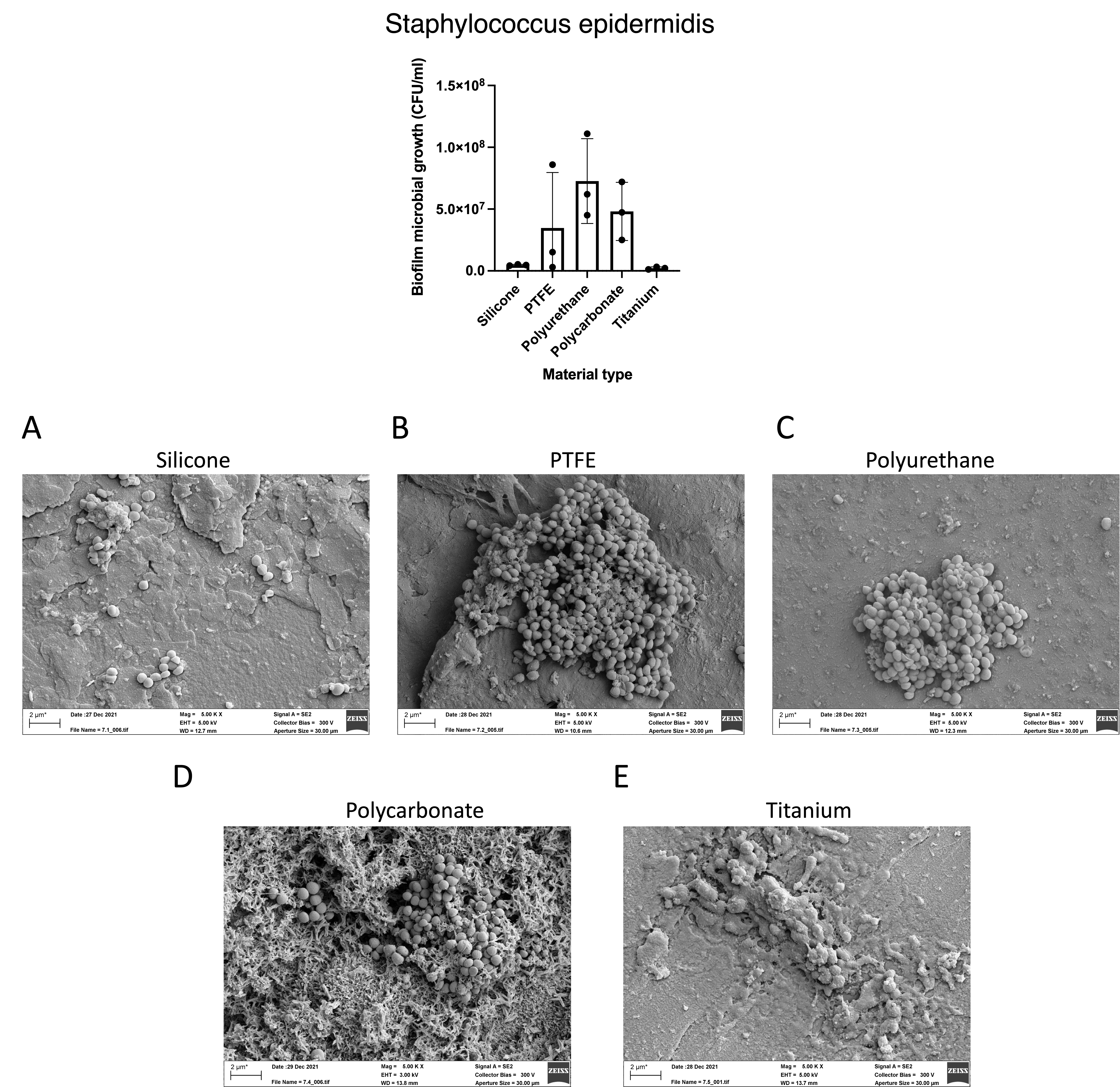
Introduction: The penile prosthesis is an effective erectile dysfunction treatment, but a subset of devices develops infection or pain requiring explant. To understand differences between asymptomatic colonized and infected states, we sought to determine penile prosthesis biofilm composition, microbe-metabolite interaction networks, and association with clinical factors. Methods: Patients scheduled for penile prosthesis removal/revision were included. Devices were swabbed upon initial access. Samples and experimental controls underwent next-generation sequencing, metabolomics, and culture-based assessments with appropriate controls. Clinical factor association was analyzed with t-tests and ANOVA. Isolates were cultured from devices, and biofilm formation was reconstituted in a continuous-flow stir tank bioreactor. Results: Of 27 devices explanted and analyzed, 4 were explanted for infection and 4 for pain. 93% of all devices harbored a demonstrable biofilm. Seven genera including Faecalibaculum (log2 fold change +4.10, p<0.001), Jeotgalicoccus (+3.22, p<0.001), and Nosocomiicoccus (+2.94, p<0.001) were more abundant in infected than uninfected device biofilms. Eight microbial genera were more abundant in the presence of pain. Smokers and those with diabetes mellitus or cardiac disease had lower total normalized microbial counts than those without the conditions (p < 0.001). We identified multiple microbe-metabolite interaction networks and subnetworks enriched in devices explanted for infection and pain. Biofilm formation by multiple microbial strains was recapitulated on relevant materials including silicone, PTFE, polyurethane, and titanium in vitro to facilitate further mechanistic studies. Conclusions: Even in the absence of infection, nearly all penile prosthesis devices harbor robust biofilms. Staphylococcus and Escherichia, the most commonly reported causative organisms of infection using traditional culture techniques, had similar abundance irrespective of infection status. A series of other uncommon genera and metabolites were differentially abundant, suggesting a complex microbe-metabolite pattern – rather than a single rogue organism – is responsible for the transition from the asymptomatic to the infected or pain state. SOURCE OF Funding: N/A