PD33-08: Bacterial biofilms from indwelling sacral neuromodulation devices are reconstitutable in vitro and exhibit differential formation by material type
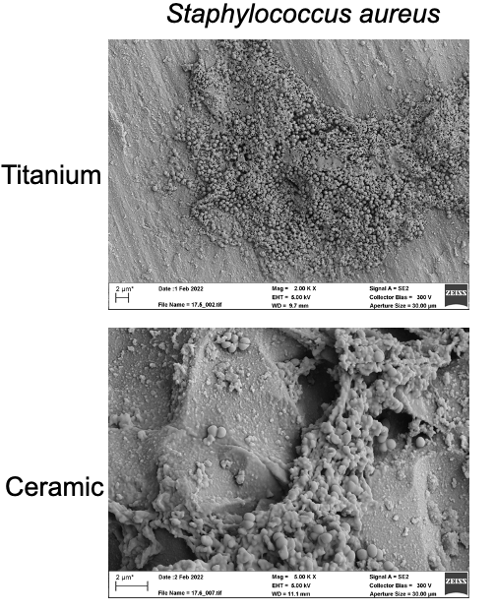
Introduction: Sacral neuromodulation (SNM) is effective for overactive bladder. A subset of SNM devices is associated with pain or infection requiring surgical removal. To understand the transition from the colonized (wherein bacteria are present but not pathological) asymptomatic to symptomatic (painful) states, we sought to determine microbial biofilm composition and qualities on devices, and association with clinical factors. Methods: Patients scheduled to undergo removal or revision of SNM devices were included. Devices were swabbed upon exposure during explantation, and samples and controls were subjected to 16s next-generation sequencing. Association between microbial diversity and pathogen abundance, and clinical variables was analyzed using t-tests and ANOVA. Clinically relevant isolates were isolated, identified, and cultured in vitro to assess reconstitution of biofilm formation in a continuous-flow stir tank bioreactor with coupons of different material types (titanium, ceramic, others), designed to mimic subcutaneous tissue with an indwelling device. Biofilm formation was assessed and compared using plate count assays and scanning electron microscopy. Results: 33 devices were analyzed. Escherichia was the most commonly detected pathogenic taxon. There was lower overall pathogen (p=0.02) and commensal microbial (p=0.04) abundance in devices explanted for pain (n=4). Clostridium (log2 fold change +4.5, p<0.001), Klebsiella (+4.0, p<0.001), and Bradyrhizobium (+3.9, p<0.001) were more abundant in device biofilms explanted for pain, whereas others were less abundant. Isolate strains consistently reconstituted biofilm formation in vitro, and there was differential biofilm formation both by strain (Staphylococcus aureus greatest) and material type (Figure). Conclusions: SNM devices harbored microbiota with a unique composition in the context of pain. Microbes isolated from SNM devices reconstituted biofilm in vitro and there was differential biofilm formation based on strain and medically-relevant material types. The methods and results open new avenues for investigating biochemical changes occurring during the transition from colonized asymptomatic to symptomatic states, and identifying preventative strategies. SOURCE OF Funding: SUFU Neuromodulation Research Grant