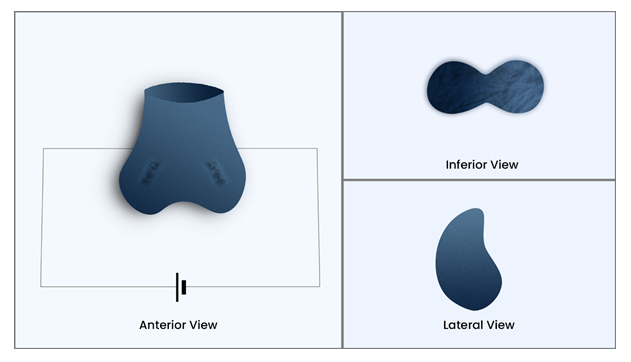
Introduction: Infertility was reported in approximately 15% of all heterozygous couples, with male factor accounting for nearly half the cases. This typically occurs due to low sperm production, sperm dysfunction, and sperm delivery obstruction. Etiology of male infertility can be attributed to many factors including acute or chronic illness, accidents, and lifestyle choices. This study aims to identify the effects of safely controlled electrical shocks ( < 5 milliamps) on infertile men with: Oligospermia, Hypospermia, Asthenozoospermia, and Necrozoospermia. Methods: In this randomized controlled single-blind clinical trial, 90 infertile male subjects diagnosed with either oligospermia, hypospermia, asthenozoospermia, or necrozoospermia were recruited. Semen samples were obtained with masturbation method and assessment of semen volume, sperm count and motility were performed. Five milliamps of electrical shock were delivered to the participants through the Testes shocker. Semen analysis was collected four months post intervention from all subjects. Data was collected and analysis of pre-& post intervention results was performed. Results: There was an improvement in the count, volume, and motility of the patient's sperm after electrical shock treatment compared to the control group. By using ANOVA-test, there were statistically significant differences between the first and the second seminal analysis results ( < 0.05). All other results were found to be independently correlated. Conclusions: Couples' infertility due to ineffective male sperm levels or function is a significant problem. It has the potential to not only cause strain on the relationship but also possess the risk of becoming a huge financial burden to correct. Our study demonstrated that using a painless, convenient at-home device could significantly improve one's sperm motility and count. This device can be utilized to tackle the significant issue of infertility in a cost-effective, safe and efficacious manner. SOURCE OF Funding: None.