MP50-15: Testicular radiomics correlated with pathology at time of post-chemotherapy retroperitoneal lymph node dissection for non-seminomatous germ cell tumor.
Medical Student Texas Tech University Health Sciences Center El Paso
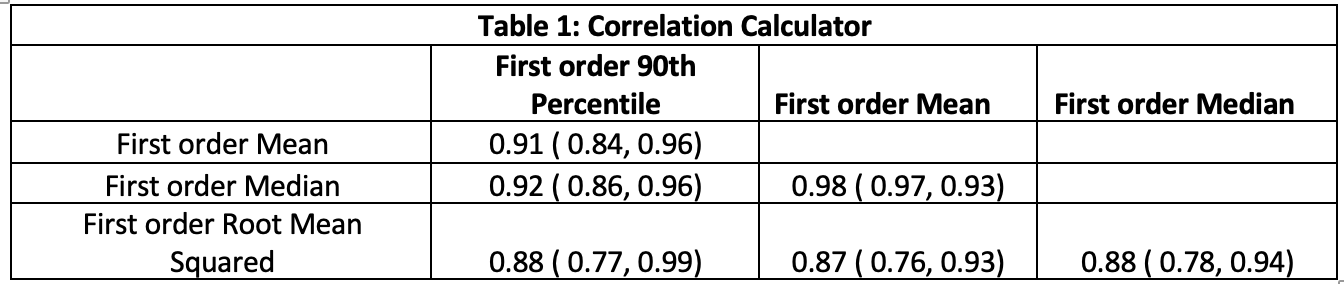
Introduction: Testicular germ cell tumors are the most commonly diagnosed malignancy in men aged 20 to 39 years old, as a third of patients will have metastatic disease on presentation. Post-chemotherapy retroperitoneal lymph node dissection (PC-RPLND) is performed to treat patients with metastatic non-seminomatous germ cell tumor (NSGCT). Although 50% of patients will viable GCT or teratoma, there is no accurate measurement to predict pre-operatively which patients will have residual disease after chemotherapy. Our aim was to use testicular radiomics data, a method that collects quantitative tumor imaging data from conventional imaging, to predict pathology after PC-RPLND. Methods: Radiomics, clinical, and pathologic data were extracted from 45 patients with metastatic NSGCT undergoing PC-RPLND. An abdominal radiologist drew regions of interest (ROI) around metastatic notes, and PyRadiomics was used to extract first order, shape, and second order statistics from each ROI. T-Tests were performed to differentiate radiomics features between binary pathology type. P values were adjusted using the BH method to control false discovery rate. Python 3.7 and R 4.2.0 used for additional statistical analyses. Results: There were 16 clinical stage II patients and 28 clinical stage III. 42% of patients had necrosis on PC-RPLND pathology, while 53% and 4% patients had teratoma and viable germ cell tumor, respectively. First order statistics mean, median, 90th percentile, and root mean squares were significant (Table 1). No significant differences was observed in other first order, shape, or texture features. We also show that the first order statistics above as significant, while the other radiomic statistics were not significant. Conclusions: Testicular radiomics is a tool that can help predict which patients with metastatic NSGCT are at higher risk of persistent disease after chemotherapy. We found relatively few first-order radiomic variables that were correlated with post-operative pathology. Results may have also been less predictive given small number of patients (4%) with residual GCT at time of RPLND. Further precision of extraction of the radiomics data may improve clinical decision-making in patients with metastatic NSGCT after chemotherapy prior to RPLND. SOURCE OF Funding: N/A