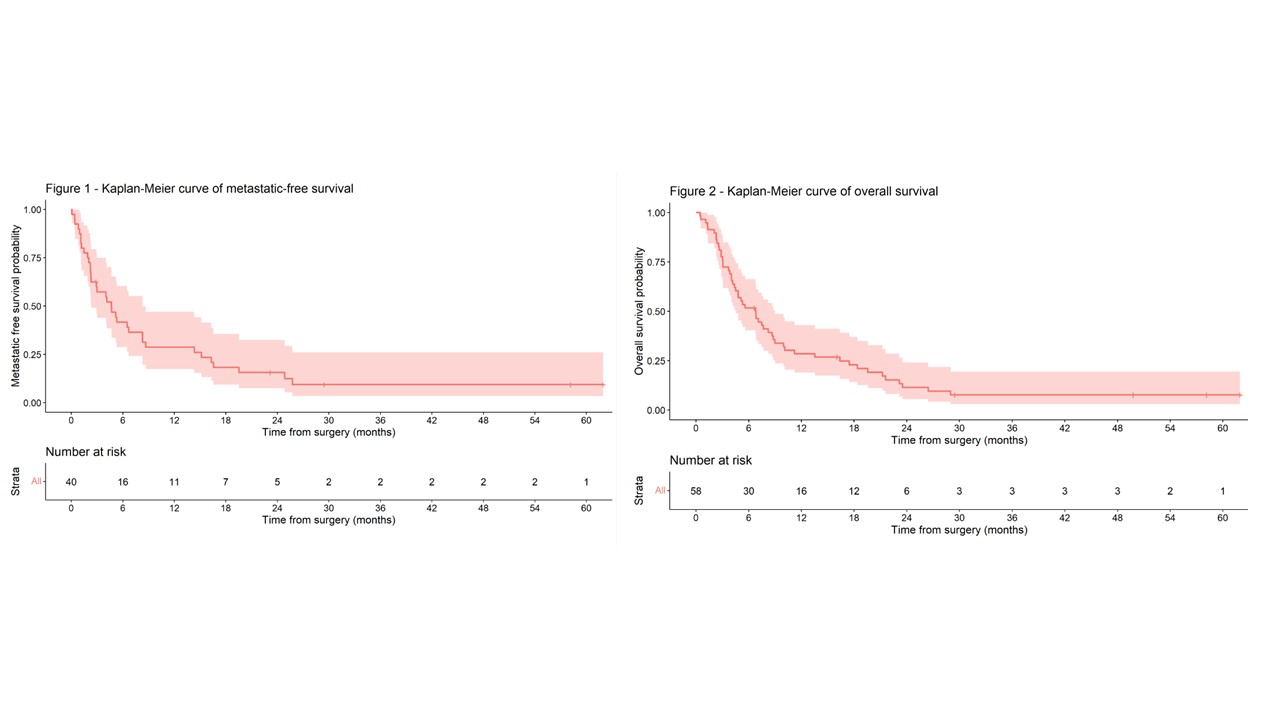
Introduction: Muscle-invasive bladder cancer (MIBC) in an aggressive disease; yet, many patients, especially those with advanced age and multiple comorbidities, do not receive optimal care. We evaluated the disease course of MIBC patients treated without curative-intent. Methods: Bi-center, retrospective analysis of patients diagnosed with non-metastatic MIBC who did not undergo radical cystectomy or standard chemoradiation between 2016-2021. Patient characteristics and treatment burden were described. Metastasis free and overall survivals were estimated using the Kaplan-Meier method. Results: The study cohort included a total of 66 patients at a median age of 86 years (IQR 78, 90). Thirty-two patients (48%) presented with locally advanced disease. Median Charlson comorbidity index at diagnosis was 7 (IQR 6,8). Patients were not treated with curative intent due to comorbidities and low performance status in 58 patients (88%) and patient refusal in 8 (12%). Median follow-up for survivors was 29 months (IQR 15, 52). Estimated metastasis free survival was 25% in one year and 14% in 2-years. Estimated overall survival was 32% in one year and 12% in 2-years. During follow-up patients received the following treatments: Chemotherapy 7 patients (11%), Immunotherapy 4 patients (6%), and radiation (without concurrent chemotherapy) 21 patients (32%). Forty-three patients (65%) suffered recurrent hematuria episodes and 17 (26%) required an emergent operation due to bleeding. Twenty-four patients (36%) required a nephrostomy tube and 39 (59%) required an indwelling urinary catheter. Overall, median emergency room visits number was 4 (IQR 2,5), and median overall admission length was 16 days (IQR 9,29). Conclusions: Untreated muscle invasive bladder cancer is associated with a high overall mortality rate and high disease burden for the patient and the health system, alike. Patients should be aware of these findings when curative intent treatment is avoided. SOURCE OF Funding: None