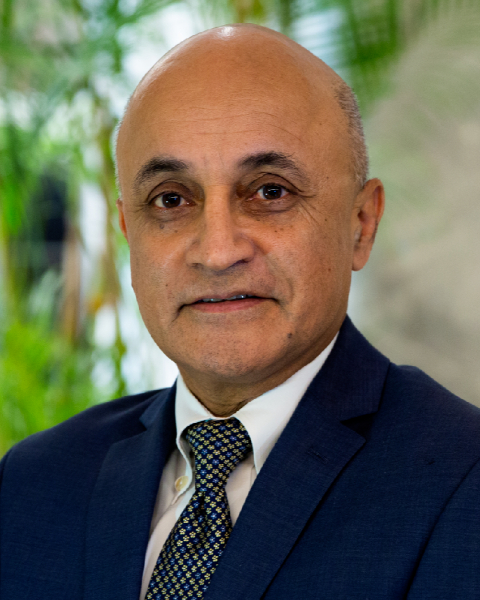
The pre-treatment or in-treatment identification of patients undergoing idiopathic condylar resorption of the TMJ and their management remains one of the biggest challenges in orthodontics. Frequently, because these joint resorptive events and associated adverse dental and skeletal alterations occur during orthodontic treatment, the concomitant compromised function and facial changes are often attributed to the orthodontic therapy itself. Much is still unknown about these perplexing conditions. In his presentation, Dr. Kapila will discuss the current understanding of the pathogenesis, diagnosis and management of idiopathic condylar resorption, including that which may occur in juvenile idiopathic arthritis. Early recognition through careful history taking and clinical examination together with newer diagnostic methods using 3D imaging and biomarkers, and constant monitoring can help mitigate some of the challenges arising during orthodontic treatment. Alternatively, these findings can be used to defer treatment of patients until stabilization occurs. Dr. Kapila will also discuss a range of patient-specific treatment options for individuals presenting with different phenotypic and degenerative TMJ findings in idiopathic condylar resorption.
Learning Objectives:
After this lecture, attendees will be able to:
Proactively determine clinical features indicative of a predisposition to idiopathic / progressive condylar resorption.
Distinguish between various TMJ degenerative disorders including osteoarthritis, idiopathic / progressive condylar resorption and juvenile arthritis.
Utilize a decision tree to determine optimal therapeutic and management approaches for idiopathic / progressive condylar resorption.