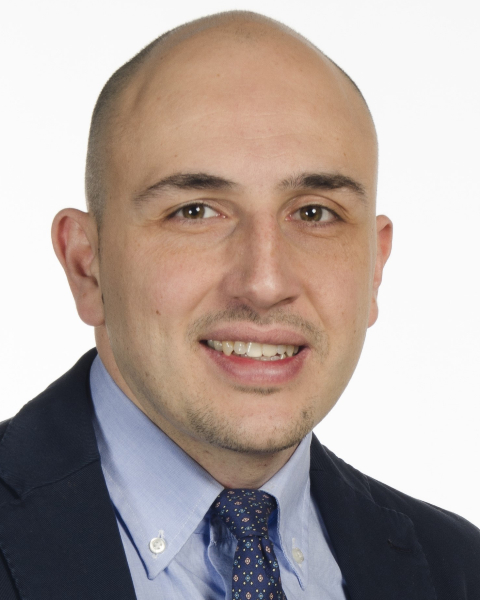
Orofacial pain is a common symptom of several pathological conditions, including temporomandibular disorders (TMD). TMD affect approximately 8-12% of the American population being the most common cause of chronic orofacial pain. TMD have a tremendous impact on patients’ social activities, personal relationships, work, and, thus, quality of life. Although recent research on TMD has substantially advanced our understanding of the pathogenesis of these conditions, the peripheral and neural mechanisms of TMD remain largely unknown. Dr. Cioffi will present new research findings and discuss novel modalities for the psychophysical, functional, and structural assessment of both neural and muscle tissues that have advanced our understanding of TMD mechanisms. In addition, he will review the neurophysiological and behavioral underpinning regulating the individual response to changes in dental occlusion. Finally, he will discuss evidence-based strategies to manage TMD symptoms during orthodontic treatment.
Learning Objectives:
After this lecture, attendees will be able to:
Improve your understanding of TMD pathophysiology.
Learn about diagnostic algorithms for TMD.
Implement TMD management or preventative strategies during orthodontic treatment.