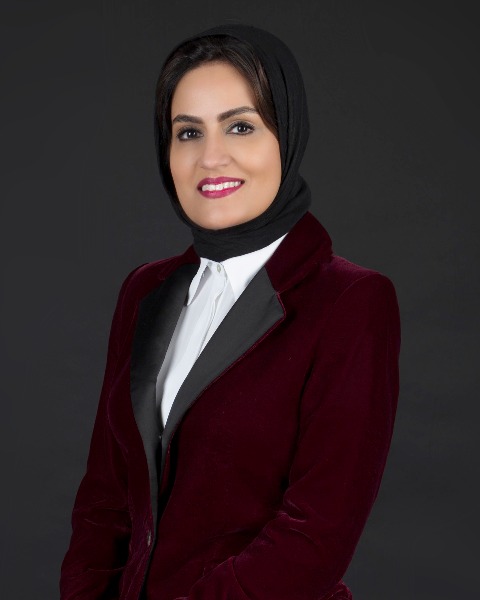
Interim Program Director for Dental Public Health Harvard School of Dental Medicine
Disclosure(s):
Hend Alqaderi, BDSc, DMSc: No financial relationships to disclose
Abstract: Objectives: The oral cavity serves as an indicator of overall health, and it’s one of the first site susceptible to SARS-CoV-2 infection, viral replication, and local immune cell activation during the course of COVID-19 infection. This pilot aims to identify oral microbiome and salivary cytokines and their relationships with COVID-19 symptoms.
Methods: We collected saliva and blood samples (n=80) from hospitalized COVID-19 patients and non-infected subjects in Kuwait and analyzed at the J Craig Venter Institute. Disease severity was stratified into mild: no Oxygen-therapy(n=11); moderate: low-flow Oxygen( < 10L/min), high-flow Oxygen(>10L/min) (n=39), and healthy-controls(n=30). Oral bacterial communities were analyzed using 16S rDNA sequencing. A 65-analyte immunoassay was employed to evaluate the biofluids using multiplex, and raw data were normalized with internal controls.
Results: Richness was statistically lower in the severe COVID-19 group than in the mild, moderate, and control groups (p < 0.05). Multiple comparisons revealed three distinct clusters, with mild/moderate groups forming a separate cluster from control and severe clusters, with significantly different microbial abundances (P < 0.05). Interrogation between relationship between the 65-salivary cytokines, clinical parameters and the disease-severity microbiome demonstrated a statistically significant relationship between the disease-severity microbiome gradient and salivary Hepatocyte Growth Factor (a biomarker of COVID-19), Tumor Necrosis Factor ReceptorII in saliva, BMI, and average diastolic blood pressure (P=0.02).
Conclusion: This pilot demonstrated that various systemic COVID-19 symptoms are associated with the salivary microbial dysbiosis. This study will enable us to identify certain oral microbiota and salivary parameters that might have a protective impact on patients with COVID-19.
Source of Funding: J Craig Venter Institute; Kuwait Ministry of Health; Dasman Diabetes Institute, Kuwait