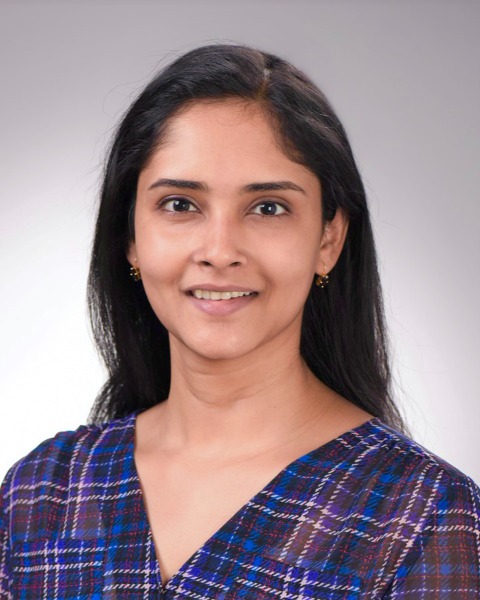
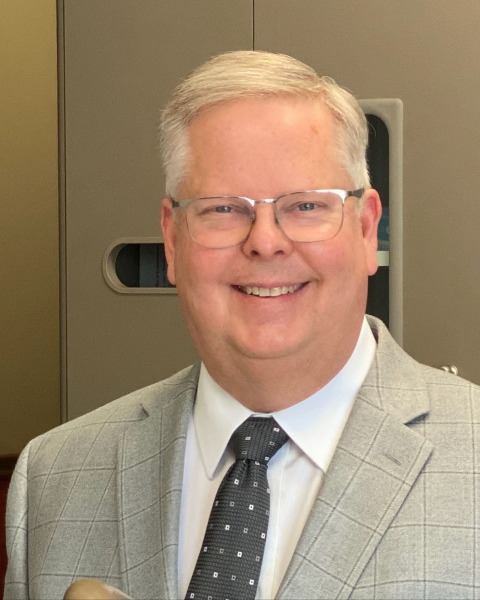
Aparna Ingleshwar, BDS, MPH, PhD: No financial relationships to disclose
Mike T. John: No financial relationships to disclose
This workshop will provide dental public health researchers and practitioners with ideas and available tools to move beyond counting procedures or visits, and towards patient-centered outcome metrics, as part of planned efforts to increase access and reduce oral health disparities among Minnesota Medicaid enrollees. A proposed dental home framework will serve as a case study to illustrate the following approaches: geo-mapping of social determinants of health to identify non-utilizers of dental care, information-enhanced care coordination/system navigation, teledentistry-enabled teams, and an expanded provider network. The OHIP-5 (Oral Health Impact Profile-5), a clinically-tested and psychometrically validated measure of self-reported functional, pain-related, aesthetical, and psychosocial impact related to oral disorders, will also be described. By using OHIP-5 to measure patient-centered outcomes, this approach moves towards value-based purchasing in a Medicaid dental program. Bi-directional learning will come from demonstration, discussion, and interactive participant engagement on incorporating new metrics in their states and organizations.
Learning Objectives:
Participants will be able to define and describe the four dimensions of patient-centered oral health impact measurement.
Participants will be able to perform patient-centered oral health impact assessment using OHIP-5 instrument including the use of appropriate recall periods, scores’ calculation and interpretation of scores
Participants will be able to describe the use of tools to identify and serve Medicaid-eligible non-utilizers of dental care within a dental home framework.
Participants be able to identify first steps to immediately begin incorporating new metrics within their states and organizations.