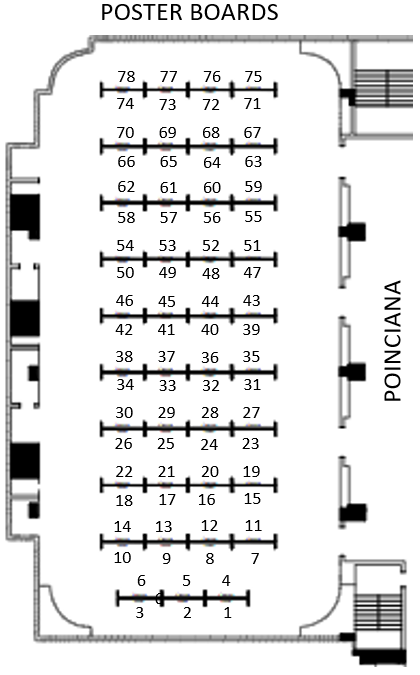
(74 - Friday) Impact of provider knowledge of phlebotomy volumes on lab ordering and transfusion practices in the pediatric cardiac intensive care unit
Pediatric Cardiology Fellow University of Nebraska Medical Center and Children's Hospital & Medical Center Omaha, Nebraska, United States
Abstract: Introduction Phlebotomy can account for significant blood loss in the majority of post-surgical pediatric cardiac patients and often contributes to the need for blood transfusion. In particular, cyanotic patients, those less than 30 days of age, or those weighing less than 10 kilograms disproportionately receive more transfusions. Blood transfusions in the critical care setting are associated with increased length of stay, higher rates of infection, a prolonged duration of post-operative mechanical ventilation, and increased mortality. Objective We investigated the potential benefits of a phlebotomy volume feature in the electronic medical record (EMR) to decrease laboratory sampling and subsequent blood transfusions. Methods This study was designed using prospective interrupted time series quality improvement methods and was conducted in a 19-bed cardiac intensive care unit (CICU) at Children Hospital & Medical Center in Omaha, Nebraska. One hundred nine post-surgical pediatric cardiac patients weighing 10 kilograms or less with an intensive care unit stay of 30 days or less were included. Patient demographics and characteristics are shown in figure 1. We implemented a phlebotomy volume feature in the intake and output section of the EMR along with a calculated maximal phlebotomy volume feature based on 3% of patient total blood volume to be used as a reference. Weight-based formulas to determine 3% of the patient’s estimated total blood volume are as follows: 0-1 kg—3 mL/kg, 1-5 kg – 2.55 mL/kg, and greater than 5 kg—2 mL/kg. An example of the phlebotomy and reference features are shown in figure 2. Results As shown in figure 3, there was a reduction in mean labs per patient per day from 9.5 to 2.5 (p=0.005) and total single electrolytes checks per patient over the CICU stay from 6.1 to 1.6 (p=0.016) after implementation of the phlebotomy feature. Moreover, total mean phlebotomy volume per patient over the CICU length of stay decreased from 30.9 to 14.4 (p=0.038). The total mean blood transfusion volume per patient did not decrease. CICU length of stay, intubation time, number of re-intubations, and number of infections did not increase. Conclusions Providers may not readily have access to phlebotomy volume requirements for lab tests. A well-designed phlebotomy feature in the EMR can reduce laboratory sampling in the pediatric CICU without an increase in adverse patient outcomes. Impact of a phlebotomy feature on blood volume transfused requires further investigation.