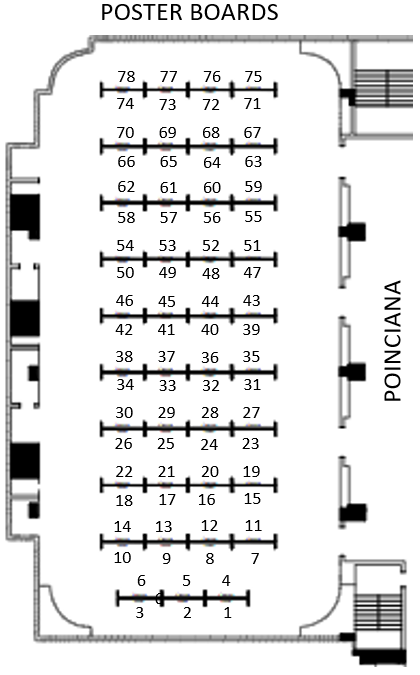
(56 - Saturday) Complications of arterial catheterization in neonates and infants < 4kg with diagnosis of congenital heart disease undergoing cardiac surgery
Neonatal-Perinatal Medicine Fellow Stanford University, United States
Abstract: Introduction/
Objective: Arterial catheterization (AC) is commonly used for continuous hemodynamic monitoring, frequent blood draws, and arterial blood gas measurements in the perioperative, intra-operative, and intensive care settings. AC appears to be safe in adults, with overall rates of severe complications (e.g., permanent ischemic damage, pseudoaneurysm, or sepsis) reported as < 1% in large, retrospective studies. In contrast, the prevalence of complications in the pediatric patient population is not well defined and varies widely in the existing literature, ranging from 0-33%. Infants with congenital heart disease (CHD) undergoing cardiac surgery are thought to represent a particularly vulnerable subpopulation given their high-risk profile: young age, low weight, small vessels, unstable hemodynamics, cardiopulmonary bypass (CPB) induced hypothermia, multiple ACs, and prolonged ICU admissions. However, to date, no data exists describing the prevalence and potential predictors of complications associated with AC in this subpopulation. This study investigated the prevalence of complications and risk factors associated with AC in neonates and infants < 4 kg undergoing cardiac surgery.
Methods: Using a retrospective approach, we used the Society of Thoracic Surgeons (STS) Congenital Heart Surgery Database to identify neonates and infants who underwent cardiac surgery requiring AC at UCSF Benioff-Children’s Hospital between June 2012 and December 2016. Inclusion criteria were infants weighing < 4 kg with an arterial line in place during cardiac surgery, defined as any case requiring CPB or aortic cross-clamping. Subsequent arterial lines that replaced the initial arterial line used for a surgical case were also included. AC complications were defined as ischemia, infection, and thrombosis.
Results: A total of 197 patients who had 282 arterial lines placed met our inclusion criteria. Complications were identified in 15/282 arterial lines placed in 14 patients, resulting in a complication rate of 5.3%. Using univariate statistics, there was no association between AC complications and patient sex, weight, race/ethnicity, arterial line location, duration, size, or ASA classification. The most common complication was ischemia (9/15, 60%), followed by infection (4/15, 27%), then thrombosis (2/15, 13%). Risk factors associated with AC complications were longer CPB times (200.7 min vs 127.7 min, p=0.036), older gestational age (42.47 wks vs 40.82 wks, p=0.020), and lower hematocrit (38% vs 41.3%, p=0.041).
Conclusions: In this limited retrospective single center study, AC appears to be a safe procedure in this patient subpopulation. However, the complication rate of 5.3% is much higher than the complication rate of < 1% reported in adults. We found that longer CPB times, older gestational age, and lower hematocrit were significantly associated with more complications. While this is, to our knowledge, the largest retrospective study investigating this subpopulation, given our sample size, other potential risk factors like aortic cross-clamp time, concurrent non-cardiac diagnoses and hypothermia cannot be excluded. Larger prospective studies are thus needed to further evaluate the risks associated with AC in this vulnerable patient population.