
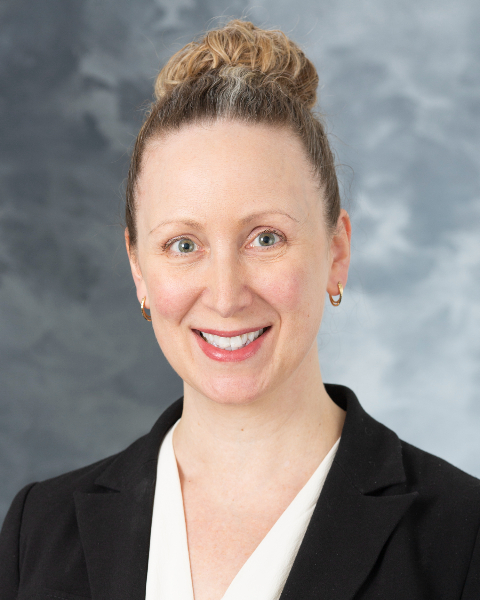
Associate Dean
University of Wisconsin School of Medicine and Public Health
Dr. Amy J.H. Kind, MD, PhD is the inaugural Associate Dean for Social Health Sciences and Programs at the University of Wisconsin (UW) School of Medicine and Public Health. In this role, Dr. Kind serves as Executive Director of the $480 million Wisconsin Partnership Program grant-making endowment, Director of the UW Center for Health Disparities Research, and provides oversight to the Milwaukee-based Center for Community Engagement and Health Partnerships. In addition, Dr. Kind is a Professor of Medicine and serves as Leader of the Care Research Core of the Wisconsin Alzheimer’s Disease Research Center. Dr. Kind is an international leader in the fields of social determinants of health and mechanistic health disparities research, leading the team that developed the Neighborhood Atlas (https://www.neighborhoodatlas.medicine.wisc.edu/), a free first-of-its-kind data democratization tool that quantifies socioeconomic disadvantage for every neighborhood in the US. The Atlas has been accessed nearly one-half million times since its public launch and has found widespread application including in the US Congress, federal and state policy, NIH, CDC, health systems and industry. Dr. Kind’s work has had far-reaching policy impact, has been actively promoted by the NIH and published in top journals including NEJM and JAMA. Dr. Kind has earned multiple honors including the NIH/NIA Beeson Award, the American Geriatrics Society Award for Outstanding Scientific Achievement for Clinical Investigation, election as a Member of the American Society of Clinical Investigation (ASCI), and membership on a White House Task Force on Aging and Technology. Dr. Kind currently leads a multi-million-dollar NIH research funding portfolio and is routinely asked to advise state, federal and international entities. Her most recent NIH grant is a 22-site national consortium (“The Neighborhoods Study”) which will provide a novel window into the mechanisms underlying social exposome exposure and Alzheimer’s Disease neurobiology.
Disclosure information not submitted.