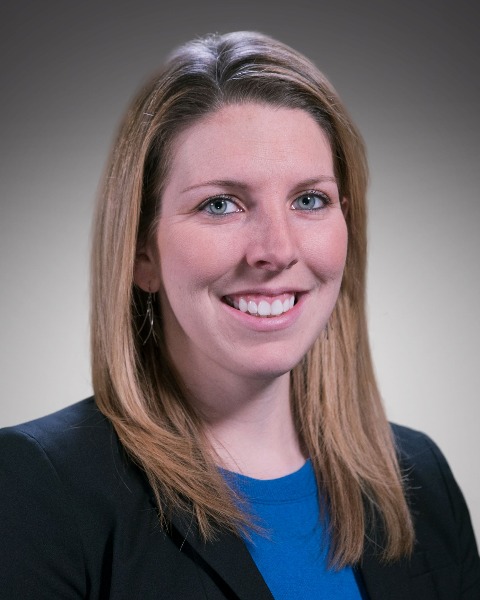
Assistant Professor Department of Neurology, University of Washington School of Medicine
Neuropsychologists are often involved, either directly or indirectly, in the diagnosis of neurodegenerative disorders. Feedback sessions frequently include disclosure of diagnoses, including those of dementia. Often this is the first time that patients and their families are hearing this information, and doing so in an effective and sensitive manner is a valuable skill to promote appropriate care and support for these patients. Many barriers exist to deliver an initial diagnosis of dementia. From the literature, providers have described concerns of uncertainty of a diagnosis, fear of causing greater distress, and limited resources to offer patients and families. These all impact the quality, frequency, and approach to disclosing diagnoses, which can later affect care and prognostic outcomes. The SPIKES model of delivering bad news has been used extensively in cancer care to communicate difficult information to patients in an effective and empathic manner. A modification of SPIKES has been proposed for application to neurodegenerative disorders, and offers a didactic approach to difficult conversations, and will be reviewed in this session.
This workshop will first focus on the barriers to effective communication of neurodegenerative diagnoses, allowing participants to reflect on their current practices and specific settings. We will then review a psychosocial model of perspective taking of the person with dementia to understand the stages of experiencing a diagnosis discussion. Last, we will review and discuss an adaptation of SPIKES for delivering diagnoses of neurodegenerative disorders, as well as recommendations for its implementation in clinical neuropsychology.
Learning Objectives:
List barriers and resolutions to effective communication of a dementia diagnosis
Describe the components of the SPIKES model for delivering difficult news
Generate a plan to implement a model of delivering difficult news for dementia diagnoses in their clinical setting