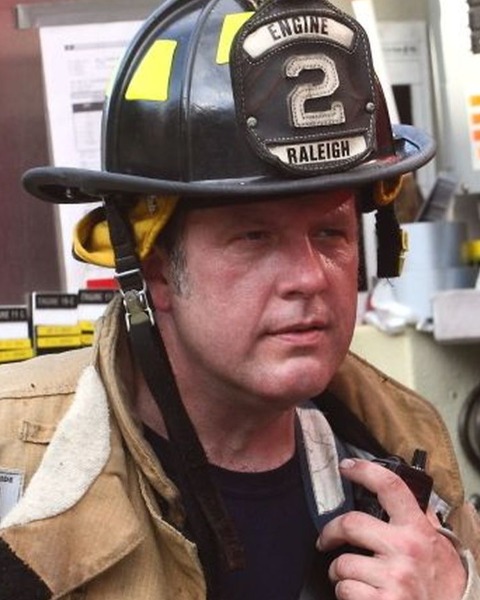
Lieutenant / Hazmat Technician City of Raleigh Fire Dept. / NC RRT 4 Raleigh, North Carolina, United States
Training for Air Monitoring in Hazardous Materials incident response is largely deficient in providing practical skills and competencies that can be effectively measured. Instruction is often based on simulations not representative of real world hazards or environments. Efforts to combat this particular issue are being approached by developing tools to create virtual environments in which practical skills may be better understood, applied, and assessed. Virtual environments, virtual instrumentation, and virtual hazards in and out of scenario-based exercises may be the future of effective air monitor training. Instructional methodology foundations will be discussed and examples of virtual reality tools will be introduced and on display. Attendees will have an opportunity to participate in a virtual reality experience, view the VR environments without necessarily having to immerse themselves in those environments, and ask questions about development and potential of the software and equipment utilized in the presentation.
Learning Objectives:
Recognize deficiencies in current methodology for air monitoring instruction.
Identify Virtual Reality applications as a means to advance air monitor instrumentation understanding and competency.
Demonstrate understanding and use of the Virtual Reality applications presented.

.png)