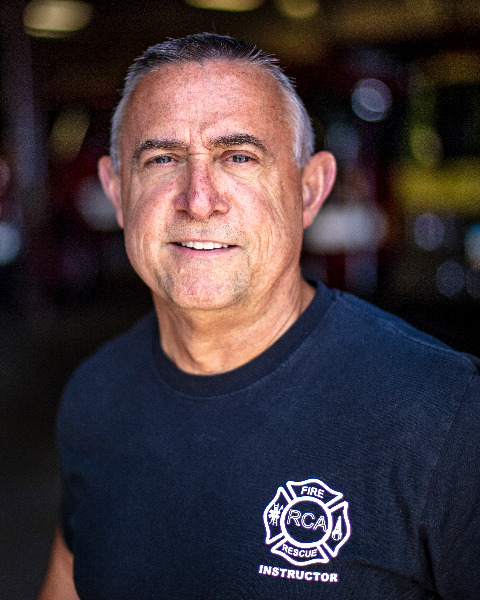
Professor Utah Valley University Provo, Utah, United States
A forensic look into actual hazmat/WMD incidents from a risk- based response perspective to develop an Incident Action Plan. We’ll look at the anatomy of a response with each part discussed in detail including important lessons learned. While every HazMat/WMD incident is unique, they all share certain common elements; such as product, container, environment, causation, responder training, available equipment and resources, and organizational mission. This workshop will use scenarios to engage students to use a risk-based approach to these incidents by using all on-scene indicators to identify types of harm, predicting behavior and using an “if this, then that” decision-making strategy, aiding the responder to pick the best option. A risk-based approach emphasizes the importance of empowering the responder with the knowledge, skills, and abilities that allows the responder to adjust as the situation changes using facts, science and circumstances.
Learning Objectives:
Upon completion of this session the participant will be able to describe how to use the a risk- based approach to develop an Incident Action Plan.
Upon completion of this session the participant will be able to describe how to use all on-scene indicators to identify the types of harm at a HazMat/WMD incident.
Upon completion of this session the participant will be able to describe how to use of facts, science and circumstance to determine appropriate actions at a HazMat/WMD incident.

.png)