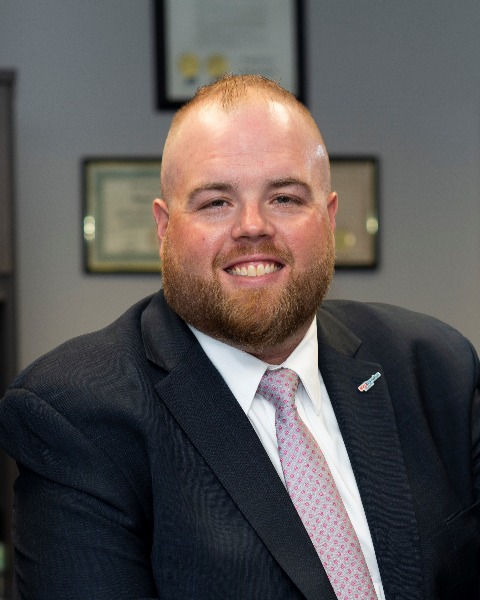
Director Institute for Prevention and Recovery Lyndhurst, New Jersey
Learning Objectives:
At the completion of this activity, participants will:
Demonstrate the value of social supports for individuals with SUD and/or those who have been impacted by substance use of friends and family members.
Highlight the increased access, capacity, and reach associated with virtual and hybrid models compared to in-person only recovery support services.
Reduce MOUD stigma through the implementation of non-denominational, all-inclusive peer recovery support services.
Presentation Summary: The pandemic has ushered in a new era of peer recovery support services: Virtual All Recovery Meetings. In this session, researchers and administrators from RWJBH's Institute for Prevention and Recovery (IFPR) will outline lessons learned from the transition to virtual recovery support services and will make a case for incorporating online offerings as part of a long-term, holistic treatment plan for individuals with SUD or opioid use disorder. Using data, presenters will explore the benefits of virtual All Recovery Meetings and present best practices for counselors, social workers, administrators, and clinicians looking to implement similar programs at their own organizations.