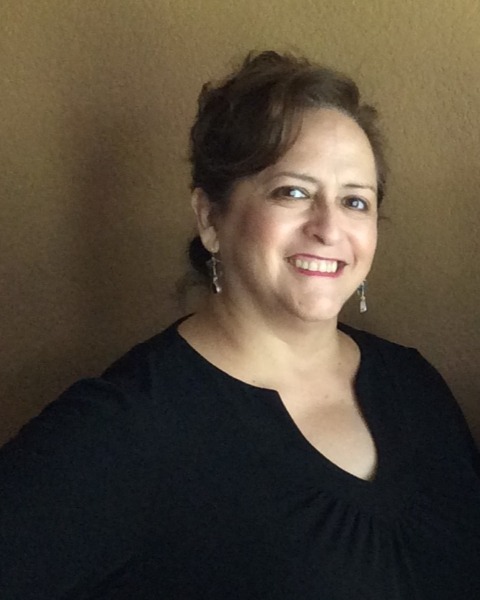
Assistant Professor UT Health San Antonio School of Dentistry
Participants should be aware of the following financial/non-financial relationships: . Magda A. de la Torre, RDH, MPH: I do not have any relevant financial / non-financial relationships with any proprietary interests.. Rosalie P. Aguilar, PhD, MS: I do not have any relevant financial / non-financial relationships with any proprietary interests.. Rochisha Singh Marwaha, BDS, MPH: I do not have any relevant financial / non-financial relationships with any proprietary interests.. William D Hendricson, MS, MA: I do not have any relevant financial / non-financial relationships with any proprietary interests.. Jeffery Hicks, DDS: I do not have any relevant financial / non-financial relationships with any proprietary interests.. Suman N Challa, BDS, MSPH: I do not have any relevant financial / non-financial relationships with any proprietary interests.
Abstract: Objectives: Dental Public Health (DPH) is one of the ten recognized specialties of Dentistry by the American Dental Association. DPH is “the science and art of preventing and controlling dental diseases and promoting dental health through organized community efforts.” The aim of this project was to assign dental students a dental public health competency and instill in them the ability to interpret current DPH issues critically and creatively. This assignment was used in place of attending external public health rotations due to COVID-19.
Methods: A 5-member self-directed group assignment was distributed to first- and second-year dental students. The exercise was built on topics previously taught in dental public health lectures. The learners were instructed to read the article, New Competencies for the 21st Century Dental Public Health Specialist (2016). Each group used a 7-step outline, applying one of the ten DPH competencies, to address a current public health problem.
Results: A total of 200 students participated in the assignment and 40 evidence based case studies were developed. Examples of case studies included: Expanding Medicare to Cover Dental Procedures; Breaking Down Barriers to Oral Health Services; How COVID-19 has Affected Community Oral Health Programs; The Opioid Epidemic; and Ethics Regarding Language Barriers. Students provided positive feedback and recommended the assignment be incorporated into the curriculum for future cohorts.
Conclusions: Case studies were an extremely useful tool to develop an understanding of dental public health issues. Through this exercise students demonstrated the ability to apply DPH concepts to real-world scenarios.
Source of Funding: Health Resources and Services Administration, Postdoctoral Training in General, Pediatric and Public Health Dentistry and Dental Hygiene Grant D88HP37558